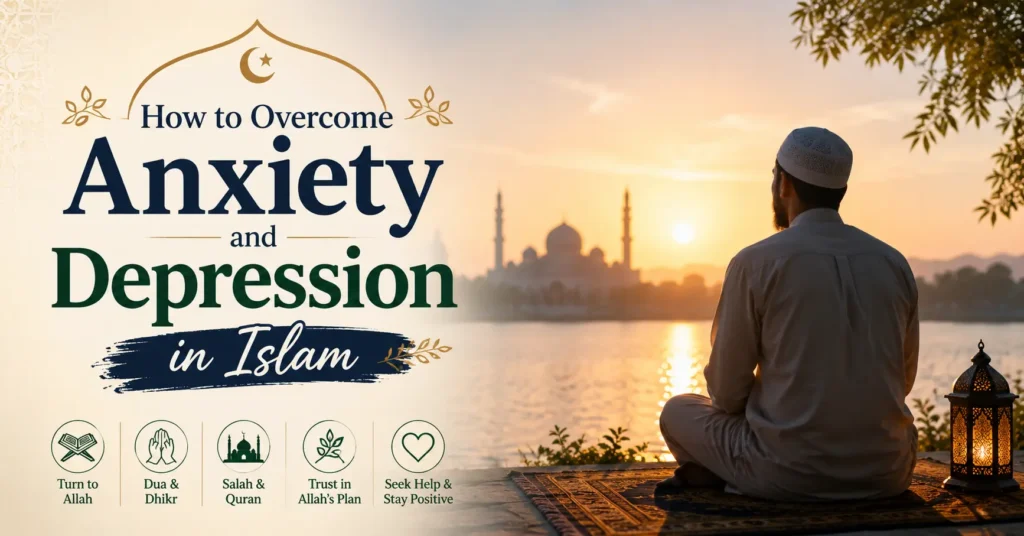
Anxiety, depression, stress, and loneliness have become some of the biggest challenges facing today’s generation. Social media often shows smiling faces, luxury lifestyles, and seemingly “perfect” lives, but behind those screens, many people are silently fighting emotional pain, overthinking, sadness, and exhaustion.
Sometimes, a single notification can ruin your entire mood. One failure can keep you awake all night, and one painful memory can feel heavier than mountains. Sadly, these emotional struggles have become one of the major causes of suicidal thoughts and attempts around the world, taking away the lives of many young and innocent people.
But Islam does not ignore these feelings and emotions. The Qur’an and authentic Hadith openly acknowledge sadness, fear, grief, and emotional pain. Even the Prophets of Allah experienced moments of deep sorrow and hardship. However, alongside these struggles, Islam also provides powerful spiritual guidance to overcome anxiety and depression.
Why Is Depression So Common Among Today’s Generation?
Today’s generation is facing increasing levels of anxiety and depression due to the pressures of modern life. Excessive social media use, loneliness, lack of sleep, emotional isolation, academic pressure, financial stress, and the constant habit of comparing ourselves to others online are all deeply affecting mental health.
Modern research shows that many people are living in a state of continuous mental overload. Endless notifications, unrealistic expectations, fear of failure, uncertain futures, and the pressure to appear “perfect” have created emotional exhaustion in countless lives. Although technology has connected people digitally, many still feel emotionally disconnected and lonely inside.
Social media often makes people believe that everyone else is happier, more successful, or living a better life, while they alone are struggling. This constant comparison slowly damages self-esteem and increases stress, sadness, and anxiety. Over time, these emotions can become overwhelming and deeply affect a person’s peace of mind.
Researchers also explain that anxiety and depression are usually not caused by just one problem. Instead, they develop through a combination of emotional, psychological, social, and environmental pressures that build up over time. This is why so many people today silently struggle with stress, emptiness, hopelessness, and emotional pain, even while appearing normal on the outside.
Is Depression a Sign of Weak Faith(Iman)?
Depression does not make someone a bad Muslim, nor does feeling sad or emotionally exhausted automatically mean that a person has weak faith. Islam recognizes human emotions and understands that every person goes through difficult moments in life.
Even the Prophet Muhammad ﷺ experienced deep grief and sadness during the “Year of Sorrow,” when he lost some of the people closest to him. Despite the pain, he continued to turn to Allah with patience, prayer, and trust.
The important thing is not to give up during hardship. No matter how heavy life feels, a believer should keep returning to Allah for comfort, guidance, and hope. Difficult emotions are part of being human, but faith gives us the strength to continue moving forward even in the darkest moments.
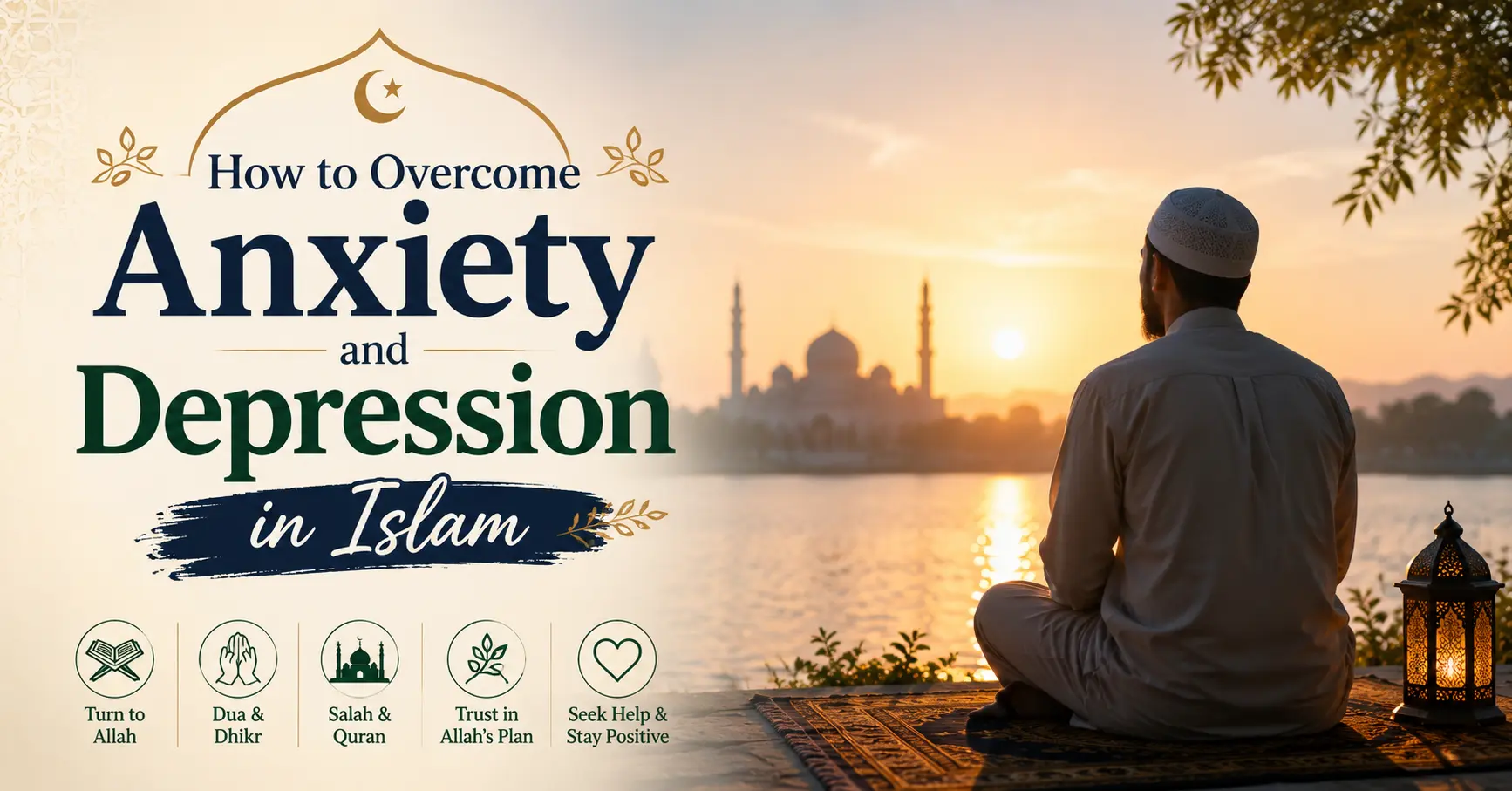
Islamic Ways to Overcome Anxiety and Depression
1. The Heart Finds Peace Through Allah
The biggest spiritual cure for anxiety in Islam is reconnecting with Allah. Without Allah, the heart feels empty no matter how successful someone becomes.
Allah says:
“Verily, in the remembrance of Allah do hearts find rest(comfort).”
(Surah Ar-Ra’d 13:28)
2. Never Abandon Salah During Difficult Times
Many people distance themselves from prayer when they are facing depression, stress, or emotional pain. But Islam teaches us the opposite—to move closer to Allah during difficult times. Salah is not just a ritual; it is a source of peace, healing, and comfort for the heart.
Allah says:
“Seek help through patience and prayer.”
(Surah Al-Baqarah 2:45)
Just imagine carrying heavy stress, sadness, and worries all day, then placing all of those burdens before Allah five times every day. That is the beauty of Salah. It reminds us that no matter how difficult life becomes, Allah is always in control of every hardship and every pain.
3. Make Dua for Anxiety and Depression Consistently
Dua is a powerful way of asking Allah for help, guidance, and relief from your problems. It is not just a request—it is a direct conversation with your Creator. Through dua, a believer finds hope, comfort, and strength, knowing that Allah is always listening.
Every time you raise your hands in dua, Allah hears you. Nothing you say is ever ignored or wasted. Even when you feel lost or overwhelmed, turning to Allah in dua brings a sense of peace to the heart.
The Prophet Muhammad ﷺ also taught beautiful supplications for times of stress, anxiety, and sadness.
Arabic
اللَّهُمَّ إِنِّي أَعُوذُ بِكَ مِنَ الْهَمِّ وَالْحَزَنِ
Transliteration:
Allahumma inni a‘udhu bika minal-hammi wal-hazan.
Meaning:
“O Allah, I seek refuge in You from anxiety and grief.”
4. Stop Comparing Your Life to Others
Life often becomes more stressful and emotionally painful when we start comparing ourselves with others. One of the major causes of anxiety and depression today is the online world, where people often appear richer, happier, and more successful than they really are. This creates unrealistic expectations and makes others feel like their own lives are not enough.
Remember, constant comparison slowly steals gratitude from the heart and increases sadness, insecurity, and dissatisfaction.
The Prophet Muhammad ﷺ advised us:
“Look at those who are below you and do not look at those who are above you…”
(Sahih Muslim)
This powerful teaching helps protect the heart from jealousy and negative feelings. When we focus on what we have instead of what others have, we begin to feel more content, grateful, and mentally at peace.
5. Keep Good Company
A person is known by the company they keep, because the environment and the people around us have a strong impact on our thoughts, emotions, and mental well-being. The Prophet Muhammad ﷺ beautifully compared good companionship to a perfume seller—you may not take anything directly, but you still benefit from their pleasant influence.
That is why it is important to choose friends and company that bring you closer to Allah, not those who pull you away from faith and peace. Surrounding yourself with supportive, positive, and righteous people can greatly improve your mental health, inner peace, and overall outlook on life.
6. Avoid Sins That Darken the Heart
Sometimes anxiety increases when the heart becomes distant from Allah due to continuous sin. This does not always mean that every hardship or grief is directly caused by sins, but repeatedly falling into sin can slowly take away inner peace and darken the heart. When a person keeps turning away from what is right, they may begin to feel emptiness, restlessness, and a lack of calmness in their life.
That is why Islam encourages us to always return to Allah, seek forgiveness, and purify our hearts. No matter how far a person feels, Allah’s mercy is always open, and coming back to Him brings comfort, healing, and hope again.
Final Thoughts
The Qur’an and authentic Hadith teach us that sadness is part of being human—but hopelessness should never define a believer. Through Salah, dua, Qur’an, patience, gratitude, and trust in Allah, the heart slowly heals.
Healing may not happen overnight. Some wounds take time. But every prayer, every tear, every sincere dua is seen by Allah. So if your heart feels heavy today, remember this:
Allah is closer to you than your pain.